
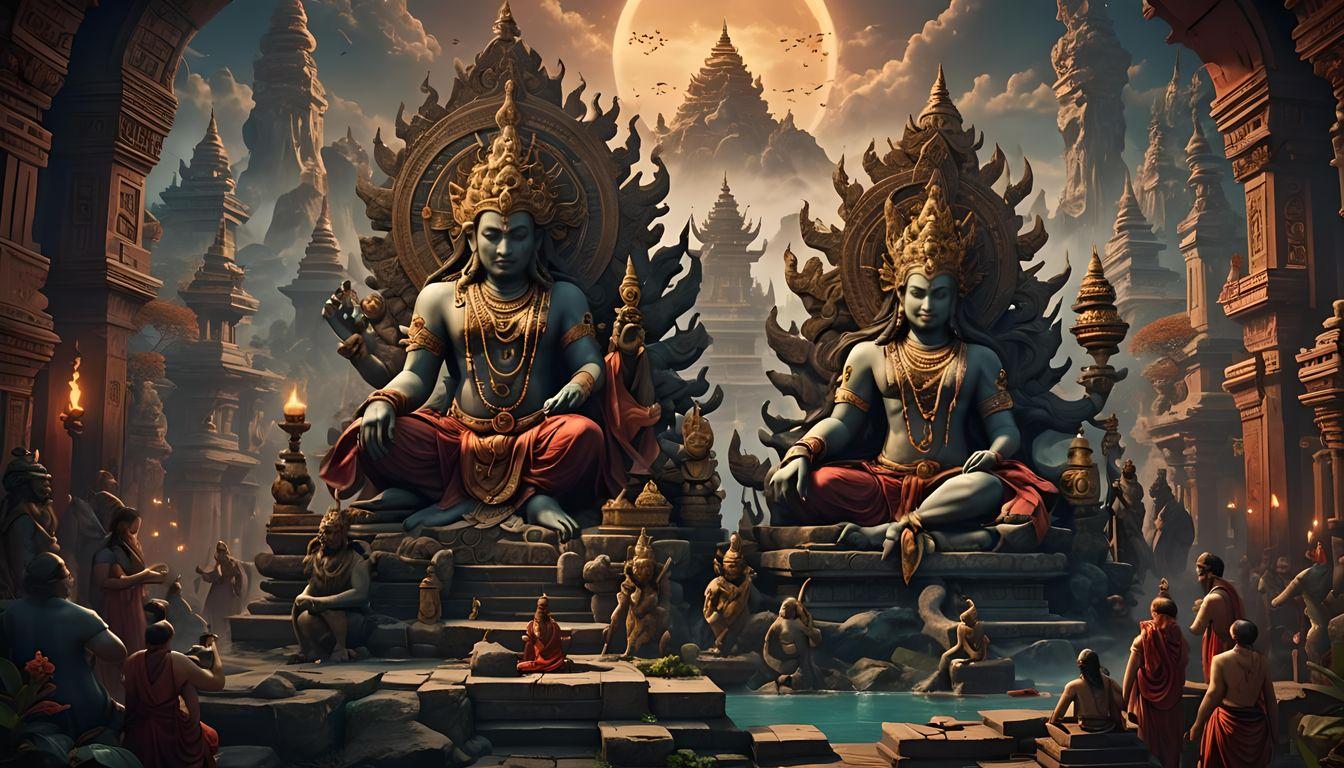
As I have journeyed deeper into the realms of Tantra, I’ve become incredibly fascinated by its rich history and evolution over thousands of years. In this week’s newsletter we delve into the ancient roots of Tantra and uncover the diverse traditions, teachings, and practices that have shaped its development.
Discovering the Roots of Tantra
The journey begins with an exploration of the origins of Tantra. I find myself immersed in the ancient texts and scriptures of India, tracing Tantra’s roots back to the Vedic period and the early development of Hinduism and Buddhism. As I delve into the Rigveda, the Upanishads, and the Mahabharata, I discover the seeds of Tantric philosophy and spirituality embedded within these sacred texts. Which I may add, are not only not very easy to read, but also not very easy to find!
The Tantric Revolution
Tantra is more than just a spiritual tradition; it is a revolutionary path of liberation and transformation. I am captivated by the radical teachings and practices of early Tantric adepts, who challenged the conventions of their time and sought direct experience of the divine. From the ancient Tantras and Agamas to the teachings of great Tantric sages such as Matsyendranath, Gorakshanath, and Abhinavagupta, I uncover the groundbreaking insights and techniques that form the core of Tantra. In fact, I could offer entire workshops on these teaching from these great sages and may soon be doing just that!
The Diversity of Tantric Traditions
One of the most remarkable aspects of Tantra is its diversity. As I have explored the history of Tantra, I am struck by the multitude of traditions, lineages, and schools that have emerged over the centuries. From the Shakta and Shaiva traditions to the Buddhist and Jain Tantras, Tantra has adapted and evolved in response to the cultural, social, and political landscapes of different regions and eras. Each tradition offers its own unique teachings, practices, and rituals, yet all share a common goal of spiritual awakening and self-realization. More modern neo tantra on the other hand appears to focus on sexual liberation and overcoming the fear, shame and guilt cast on our communities for centuries, which is where I believe the thought that “Tantra is all about sex” seems to have emerged.
Tantra in Practice: From Ancient Rituals to Modern Applications
As I have delved deeper and deeper into the history of Tantra, I am inspired by the timeless wisdom and practical insights it offers for modern living. From ancient rituals and ceremonies to contemporary practices and techniques, Tantra provides a comprehensive framework for holistic living and spiritual growth. Whether it’s through meditation, yoga, mantra chanting, or sacred sexuality, Tantra offers a multitude of paths for awakening consciousness and realizing our fullest potential. For me, it is these ancient rituals that have brought about positive change and transformation in my own life that inspires me to want to help others find this path as well.
The Relevance of Tantra Today
In a world filled with uncertainty and turmoil, the teachings of Tantra are more relevant and necessary than ever before. As I reflect on the history of Tantra, I am reminded of its timeless message of unity, compassion, and divine love. In a world that often seems divided and disconnected, Tantra offers a path of healing, transformation, and unity—a path that can lead us back to the essence of who we truly are; and this is to me, one of the most beautiful aspects of Tantra teachings offered.
Today’s Thought Exercise: Reflecting on the Tantric Journey
As we explore the rich history of Tantra, I invite you to reflect on your own Tantric journey. What aspects of Tantra resonate most deeply with you? How has the history of Tantra influenced your spiritual path and personal growth? Share your reflections and insights in the comments below, and let’s celebrate the richness and diversity of the Tantric tradition together.
